Injury risks guide 91 Japanese sports health YouTubers
"The landscape of athletic performance and wellness is shifting from traditional gyms to digital screens, where specialized creators provide niche insights into human movement and physical resilience."
This guide helps viewers select content based on discipline, injury prevention awareness, and training methodology.
Key takeaways include evaluating the creator's specialty, understanding injury risk variations across disciplines, and recognizing the influence of Olympic-standard sports on digital trends.
How can I find Japanese-style wellness routines?
Finding the right Japanese Fitness YouTuber Guide involves filtering through vast amounts of content to find creators who specialize in specific athletic disciplines.
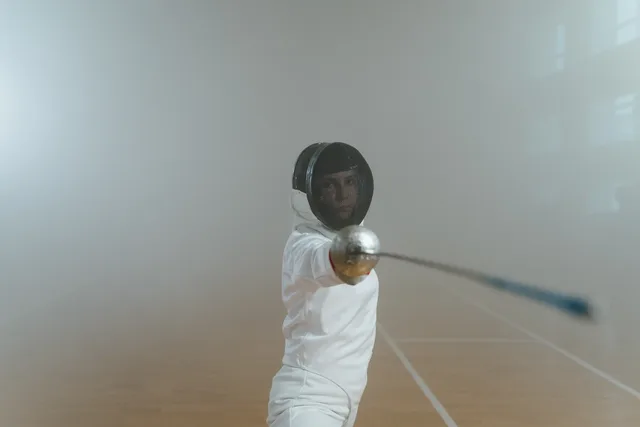
To select the best content, viewers should look for creators who focus on a single, well-defined athletic niche. Some channels might focus on high-intensity training, while others emphasize restorative wellness or specific combat sports.
A Japanese Wellness YouTuber List can be curated by following creators who align with your personal fitness goals, whether that is strength, flexibility, or endurance.
It is essential to distinguish between lifestyle vloggers and those providing structured athletic instruction.
When you are Compare Japanese Fitness Content, look for consistency in their training advice and the clarity of their instructional cues.
- Use specific Japanese keywords related to your sport in the search bar.
- Filter results by upload date to find active creators.
- Check the suggested video sidebar to discover similar channels.
What kind of content do these channels offer? Japanese Sports Health YouTubers
A trainer stands in a bright studio, demonstrating a complex squat variation while adjusting the angle of a camera. They explain the mechanics of the movement, focusing on joint stability and muscle engagement.
This level of detail is what distinguishes professional sports creators from casual fitness enthusiasts.
The content often mirrors the high-stakes nature of professional athletics. For example, the interest in specific disciplines is driven by their presence in major global events.
According to Wikipedia, on September 28, 2015, the Tokyo Organizing Committee submitted their shortlist of five proposed sports to the IOC: baseball/softball, karate, sport climbing, surfing, and skateboarding.
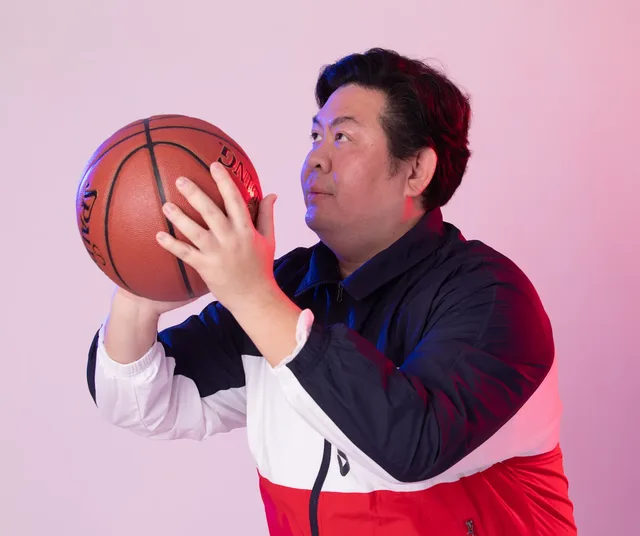
This historical context explains why certain sports like karate or skateboarding have such robust digital communities in Japan.
Many creators focus on the technical nuances of these Olympic-recognized activities. A Japanese Sports Health YouTuber might dissect the footwork of a karate practitioner or the balance required for sport climbing. This focus on precision is a hallmark of the niche.
In this sequence, the second step is the longest.
How do injury risks vary in sports content?
An athlete wraps their ankles with heavy tape before stepping onto a mat, feeling the tension of the fabric against their skin. They are preparing for a session that requires intense physical output and carries inherent risks.
Understanding these risks is vital when following digital training programs.
When consuming sports content, it is important to recognize that different activities carry different physical demands. According to Sports health (2024), the reported injury incidence varied widely between sports (0-91 per 1000 athlete days) and impairment categories (1-50 per 1000 athlete days).
This data suggests that the type of training you follow can significantly impact your physical safety.
| Category | Injury Incidence (per 1000 athlete days) |
|---|---|
| General Sports Range | 0–91 |
| Impairment Categories | 1–50 |
I noticed this variation when comparing high-impact combat sports tutorials to low-impact mobility routines. Following a Japanese Fitness YouTuber Guide requires an awareness that a channel focusing on high-intensity sports may require more rigorous warm-ups.
What are the selection criteria for viewers?
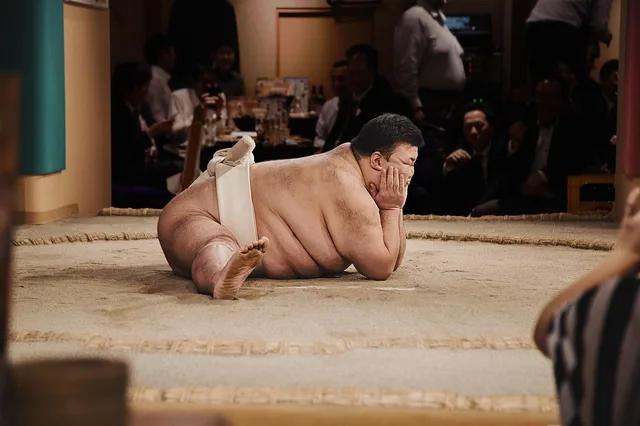
A student opens a laptop in a quiet library, ready to begin a new home workout routine. They pause to check the comments section and the creator's credentials before hitting play. This careful selection process ensures the content is both effective and safe.
To choose the right creator, follow these three steps:
- Identify your primary athletic goal, such as increasing flexibility or building explosive power. 2. Verify the creator's specialty by checking if they focus on a specific sport or a general wellness approach. 3. Assess the safety emphasis by observing if they include proper warm-up sequences and injury prevention tips.
After completing these steps, perform a final check by watching a single video to see if the instructional pace matches your current skill level.
How does Olympic influence shape these channels?
A commentator speaks into a microphone during a televised match, describing the intensity of a wrestling bout. The atmosphere is electric, reflecting the global importance of the sport. This professional standard often trickles down into how digital creators present their content.
The inclusion of certain sports in major competitions drives digital interest and content quality.
According to Wikipedia, out of the shortlist from the IOC vote, wrestling was duly added to the shortlist of applicants for inclusion in the 2020 Games, alongside the seven new sports put forward for consideration.
This level of competition ensures that even digital creators are often teaching techniques that are relevant to the highest levels of sport.
When you are Choosing Japanese Sports Creators, look for those who bridge the gap between amateur wellness and professional athletic standards. This connection provides a sense of legitimacy to the training methods being shared online.
What are the limitations of digital sports content?
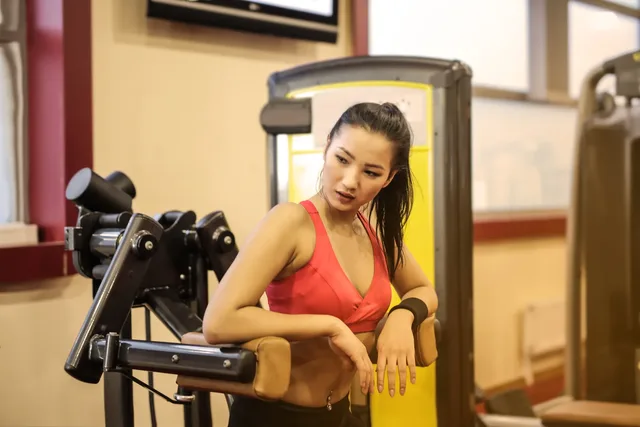
A person finishes a workout in their bedroom, feeling a slight ache in their muscles. They wonder if their form was correct without a live instructor present to correct them. This highlights the inherent gap between watching a screen and having professional supervision.
While digital creators provide excellent instructional value, they cannot replace the real-time feedback of a physical coach. One limitation is that creators cannot see your specific body mechanics to prevent injury in real-time.
This risk is particularly relevant given that injury incidence can reach 91 per 1000 athlete days in certain sports.
The same subject is also called Sports Health Channel Review.
The same subject is also called Best Japanese Sports Channels.
This part also covers Japanese Health Channel Features.
Compare Japanese Fitness Content
Related

Comments 0