Japan wildlife observation in serene rural nature Guide
"The quiet rustle of bamboo and the distant call of a mountain bird define the rhythm of life here."
This channel provides an in-depth look at Japanese wildlife observation, focusing on the serene rhythms of the countryside. It is designed for viewers seeking peace through high-quality footage of animals and the natural ecosystems of rural Japan.
You will discover the subtle movements of local fauna, though the content is limited to observing existing natural behaviors rather than interacting with the animals.
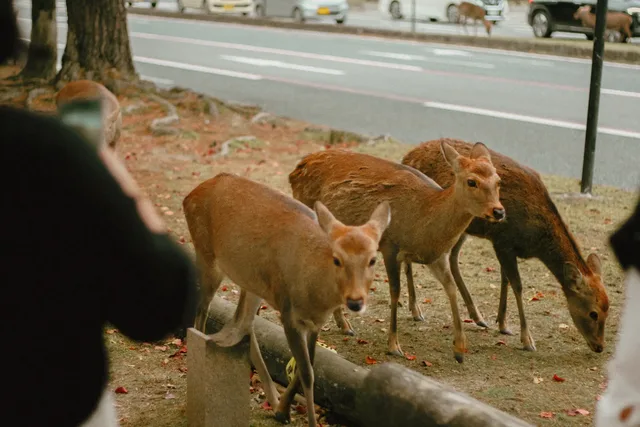
* Immersive views of Japanese rural nature. * Detailed observations of local wildlife. * Relaxing scenery from the Japanese countryside.
How does one experience Japan wildlife observation?
At dawn, I crouch silently on the damp forest floor to watch a deer emerge in the wilds of japan.
A camera lens rests on a mossy log as a small forest creature emerges from the thicket. Watching wild animals Japan involves patience and a deep respect for the undisturbed habitats found in remote provinces.
The creator captures the essence of life in rural Japan by remaining a silent witness to the daily struggles and triumphs of the local fauna.
The content focuses on the slow, methodical pace of the seasons. Instead of high-energy narration, the channel relies on the ambient sounds of wind, water, and animal calls.
This approach allows viewers to feel as though they are sitting directly on the forest floor, experiencing the Japanese nature documentary style in its purest form.
However, the experience may be limited during extreme weather conditions.
What defines the Japanese rural nature I see here?
Sunlight filters through dense maple leaves, casting dancing shadows across a narrow mountain stream. The scenery highlights the unique biodiversity of the region, showcasing how animals interact with their specific environments.
According to World Bank data, Japan recorded agricultural land share of 12.6% in 2024.
This focus on the Japanese countryside animals provides a window into a world that remains largely untouched by urban expansion.
The footage emphasizes the connection between the landscape and its inhabitants. By observing how creatures navigate the terrain, the channel illustrates the delicate balance of the local ecosystem.
This perspective offers a meditative look at the natural world, making it a staple for those interested in the quiet beauty of the archipelago.
Where can I find more about Japanese wildlife?
A heavy mist clings to the valley floor as the first light of dawn breaks over the ridge. Exploring Japanese wildlife life requires understanding the specific habitats, such as dense woodlands or coastal marshes, where these animals thrive.
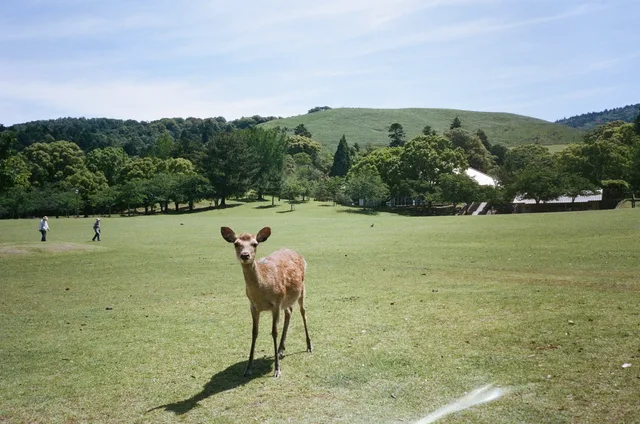
The channel meticulously documents these locations to provide a sense of place and seasonal context.
The creator moves through various terrains to find the best vantage points. This dedication ensures that the footage is not just a collection of animals, but a cohesive story of a living landscape. Each video serves as a visual diary of the changing environment throughout the year.
What is the essence of a Japanese nature documentary?
The camera pans slowly across a field of tall grass, catching the glint of an insect's wing. A true Japanese nature documentary style avoids artificial interference, preferring to let the subjects dictate the pace of the film.
This method preserves the authenticity of the encounters, ensuring that the viewer sees true, unscripted behavior.
By prioritizing stillness, the channel captures moments that are often missed in faster-paced media. The lack of intrusive commentary allows the natural soundscape to take center stage.
This creates an atmosphere of profound tranquility, inviting the audience to slow down and observe the minute details of the wild.
Can I use this for relaxation?
Soft rain begins to fall on the canopy, creating a rhythmic tapping against the leaves. Many viewers turn to these videos to find a sense of calm amidst a busy schedule.
The predictable, gentle movements of the animals and the consistent environmental sounds make it an ideal choice for stress relief.
The visual consistency of the rural setting provides a reliable escape. Whether it is the sight of a bird preening its feathers or the movement of a deer through the brush, the content offers a steady stream of peaceful imagery.
I find that watching these quiet moments helps reset my focus after a long day.
How do I prepare for watching animals in the wild?
A pair of binoculars sits on a wooden bench, waiting for the next sighting. While the channel provides the viewing experience, true field observation requires specific preparation to ensure minimal impact on the environment.
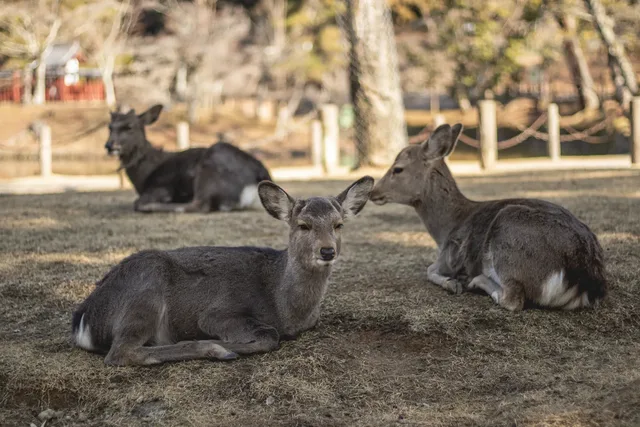
- Select a quiet location far from human foot traffic. 2. Use long-range lenses to maintain a respectful distance. 3. Keep noise levels to an absolute minimum.
After setting up, perform a final check to ensure no gear is left behind and no paths are disturbed. This mindful approach ensures that the wildlife remains undisturbed by human presence.
- Research the specific habitats of the animals you wish to see.
- Gather appropriate outdoor gear and binoculars.
- Study local wildlife safety guidelines.
- I find that the second step is the most important.
The same subject is also called Japan countryside animals.
This part also covers Nature in Japan countryside.
Life in rural Japan
Related
- Japanese YouTuber Ranking TOP 100 guide for digital trends
- Japan tech content evolution with 85.5% internet users guide
What should I watch out for during observation?
Observers should watch for the subtle signs of animal presence to avoid disrupting the quiet rhythm of the forest. One must remain cautious not to step into sensitive habitats like coastal marshes or dense woodlands where animals thrive.
Maintaining a respectful distance is a necessary condition for seeing unscripted behavior without causing interference.
Comparing the different environments, the dense maple forests offer more shade than the open fields of tall grass. The mountain streams provide a different acoustic experience than the wind moving through the canopy.
These variations in terrain dictate how the local fauna navigate their surroundings.
If you are observing in the field, follow these steps to ensure the environment remains untouched: 1. Identify a vantage point that allows for long-range viewing. 2. Monitor the ambient sounds to ensure your presence does not mask the natural calls of birds. 3.
Observe the movement of the wind and water to time your stillness with the environment.




Comments 0