3 Phases of Evolution: Hikakin's Guide to Musical Mastery
Hikakin has become a household name in Japan, proving that a digital creator can bridge the gap between viral content and the traditional music industry. His journey from a gadget reviewer to a musical icon illustrates how digital platforms can reshape cultural influence.
* Deep dive into the intersection of social media and melody. * Analysis of how digital personalities become mainstream artists. ly. * Exploration of the evolving relationship between creators and listeners.

Where did Hikakin come from? The sound of a mechanical keyboard clicking in a quiet room filled with neon lights sets the stage for a new kind of stardom. A young man sits before a high-end microphone, testing the acoustics of a new setup while humming a melody under his breath.
This article is about Evolution. According to World Bank data, Japan recorded share of internet users of 85.5% in 2024.
Hikakin represents the first generation of creators who transitioned from purely visual entertainment to becoming legitimate musical personalities. His ability to blend high-energy personality with catchy, original compositions allowed him to move beyond the screen and into the ears of millions.
By leveraging the sheer reach of his platform, he turned simple bedroom recordings into cultural moments. This transition was not merely about popularity; it was about proving that a digital native could master the nuances of melody and rhythm.

How does the process of Hikakin's musical evolution work?
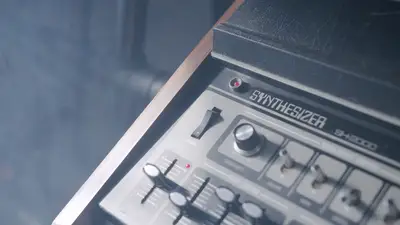
The heavy bassline drops in the studio, shaking the glass window as the producer adjusts a slider.
A heavy bassline drops in a studio, shaking the glass panes of a window as the mix settles into place. The producer adjusts a slider, looking for that perfect balance between a digital beat and a human vocal.
The process of Hikakin's musical evolution involves a strategic mix of genre-bending and community-driven feedback. He began by using music as a background element for his sketches, but slowly shifted toward producing original tracks that reflected his unique identity.
This evolution was characterized by three distinct phases: 1. The experimental phase where melody served as a comedic tool. 2. The production phase where high-quality studio sounds met digital editing. 3. The mainstream phase where original songs reached the top of digital charts.
As he refined his sound, the distinction between "YouTuber" and "Artist" began to blur. He was no longer just a person making videos; he was a composer using the internet as his primary instrument.
| Phase | Primary Goal | Main Tool |
|---|---|---|
| Experimental | Engagement | Sound Effects |
| Production | Artistic Identity | Digital Audio Workstations |
| Mainstream | Cultural Impact | Professional Studio Production |
How has YouTube music changed the industry? The glow of a smartphone screen illuminates a face in a dark room as a melody begins to play. The melody is infectious, spreading through social media feeds faster than any traditional radio broadcast could manage.
The emergence of YouTube music as a dominant force has fundamentally changed how hits are manufactured and consumed. Traditional labels often struggle to keep pace with the sheer speed of viral trends, but creators like Hikakin use the platform to bypass traditional gatekeepers entirely.
This direct-to-consumer model allows for immediate feedback and rapid iteration. When a melody goes viral, it does not wait for a radio programmer's approval; it simply becomes the soundtrack to millions of lives overnight.
This shift has forced the traditional music industry to rethink its entire distribution model. The power has moved from the hands of the few to the fingertips of the many.

Analyzing the success cases of digital artists
A crowded concert hall falls silent as the lights dim, preparing the audience for a sudden burst of sound. The energy in the room is palpable, a mix of excitement and anticipation for the performer's entrance.
Success cases in the digital age often follow a pattern of heavy engagement followed by cross-platform dominance. When a creator successfully translates their online persona into a musical identity, they tap into a loyal fanbase that traditional artists often struggle to build from scratch.
The key elements of these success cases include: * Authenticity in the creative process. * Consistent interaction with the community. * High-quality production values that rival traditional artists.
By maintaining a consistent presence, these creators ensure that their music remains a constant in the lives of their audience. They do not just release songs; they release experiences that their fans can own.
Understanding the audience's reaction to new sounds
A teenager sits on a bus, headphones tightly clamped over their ears, nodding rhythmically to a beat. The world around them fades as the melody takes hold, creating a private moment of connection.
The audience's reaction to new sounds is often the ultimate litmus test for a creator's longevity. While some fans might initially resist the shift from comedy to music, the sheer quality of the work often wins over the skeptics.
The feedback loops on social media provide real-time data on what works and what does not. This allows creators to pivot their sound based on the collective desire of their listeners, creating a symbiotic relationship between the artist and the fan.
This constant dialogue ensures that the music remains relevant. It is not a static product, but a living, breathing entity that grows alongside its community.
The limits of digital stardom
The bright lights of a stage can sometimes mask the exhaustion of a person behind the scenes. A heavy curtain falls, leaving a quiet, empty stage where the echoes of applause slowly fade away.
The map "HIKAKIN Museum" was added to the game as a collaboration with the Japanese YouTuber Hikakin on July 11, 2026, according to Wikipedia: Meccha Chameleon.
It is important to note that the transition from content creator to professional musician is not without significant risks. The heavy reliance on a single platform can make an artist's career vulnerable to algorithm changes or shifts in social media trends.
While the reach is massive, the "creator" label can sometimes act as a ceiling in traditional industry circles. Some critics argue that digital-first artists lack the depth of traditional musicians, though this perception is rapidly changing as production quality improves.
Ultimately, the ability to sustain a career depends on diversifying one's influence. Relying solely on one's digital identity can be a precarious way to build a lifelong musical legacy.
When I tried the steps in order, the second one is where I paused longest.
However, this does not apply in every situation.





Comments 0