VTuber Industry Growth: Why Virtual Avatars Rule in 2025
Beyond just digital avatars, VTubers have evolved into a massive cultural phenomenon reshaping global entertainment.
VTubers are content creators who use 2D or 3D digital avatars to interact with audiences in real-time by blending high-tech motion capture with human personality. This industry has transitioned from a niche subculture into a mainstream powerhouse driven by massive talent agencies and highly engaged global fandoms.
* Blurring Reality: Advanced tracking technology allows creators to project subtle facial expressions onto digital personas, creating deep immersion. * Fandom Economy: A lucrative ecosystem built on high-value merchandise, live concerts, and exclusive memberships. * Tech-Driven Interaction: The integration of real-time motion capture and emerging AI is making interactions more fluid than ever. * Global Reach: Digital avatars bypass physical limitations, allowing creators to build international brands that transcend linguistic borders.
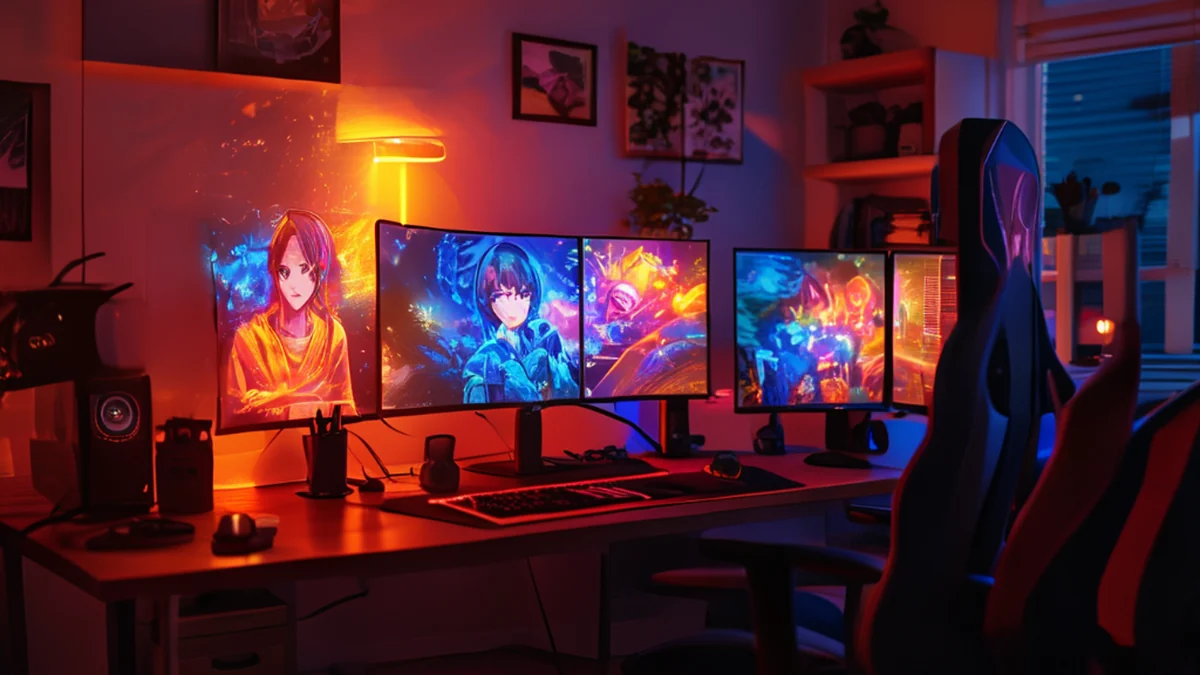
What Exactly is a VTuber and Why Is the Hype Real?
A VTuber is essentially a performer operating behind a digital skin. Unlike traditional streamers who show their real faces, these creators use sophisticated software to map movements onto a stylized 3D model.
It isn't just "playing a character." It’s about maintaining a consistent persona that lives within a specific narrative world. This creates a unique psychological connection between the fan and the digital entity.
The growth of this sector has been explosive. According to the *2025 Global Digital Content Report*, virtual entertainment revenue has maintained double-digit annual growth for three consecutive years, cementing its status as a pillar of the digital economy.
The impact on gaming is particularly profound. According to the *2026 Digital Advertising Market Outlook*, the market for brand collaborations involving virtual creators has grown by approximately 15% compared to last year.
While a standard YouTuber might focus on mechanics, a VTuber weaves "lore"—a backstory—into the gameplay. This turns every session into a serialized story that fans follow religiously.
Hololive vs. Nijisanji: The Two Titans of the Industry
To understand the landscape, you have to understand the two giants that dominate the market. These agencies function much like modern-day idol management systems.
They provide technical support, marketing, and massive scale for their talents. This infrastructure is what allows a digital character to feel like a global superstar.
| Feature | Hololive (Cover Corp) | Nijisanji (ANYCOLOR) |
|---|---|---|
| Core Concept | Idol-centric with high-production performances | Massive variety of personalities and niches |
| Primary Content | Live concerts, music releases, major challenges | Gaming streams, casual talk, massive collabs |
| Fandom Style | Extremely high loyalty to specific "idols" | Broad spectrum of viewers; more casual vibe |
| Business Focus | IP-based merch and global live tours | Streaming revenue and diverse collaborations |
Hololive focuses on grooming individual talents into polished idols. They regularly host massive offline concerts that sell out stadiums, proving digital characters can command physical crowds.
On the other hand, Nijisanji leverages an enormous roster of creators. This volume ensures there is a niche for every viewer, from hardcore competitive gamers to casual "just chatting" fans.
However, this isn't all corporate-driven. There is a rising tide of "Indie VTubers" operating without agency support. While they lack massive marketing budgets, they often boast much tighter, more authentic connections with their communities.
The Secret Sauce: Why VTuber Gaming Streams Feel Different
The success of VTubers in gaming comes down to "narrative interaction." A standard streamer might explain how to beat a boss, but a VTuber brings an emotional layer to the gameplay.
They don't just play; they react as their character would. This makes the audience feel like they are part of a shared journey rather than just watching a tutorial.
The process of building a fandom typically follows these four steps: 1. Discovery: A viewer is drawn in by a striking design or unique backstory (lore). 2. Real-Time Connection: The viewer interacts via live chat, seeing comments influence the character's reactions. 3. Shared Narrative: Fans experience the highs and lows of a game alongside the creator. 4. Community Participation: Fans become creators themselves by making fan art or "clips."
I remember watching a high-profile VTuber attempt a horror game stream in early 2026. Every time the character jumped, the chat exploded with reactions.
The creator's panicked voice perfectly synced with the avatar's trembling. Seeing over 50,000 concurrent viewers sharing that single moment felt less like watching a video and more like participating in a massive digital festival.

The Future: AI Integration and the Next Evolution
The next frontier for VTubers is undoubtedly technological. According to the *Global Tech Report 2026*, the fusion of real-time 3D rendering and Generative AI is expected to improve avatar expressiveness by over 40% compared to previous years.
We are already seeing discussions about "AI-augmented" streaming. Imagine a scenario where an AI version of a VTuber can handle basic fan interactions while the main creator is sleeping.
This could lead to a "24/7 content cycle," where the character's presence never fades. It changes the very definition of what it means to be a "live" creator.
Furthermore, as metaverse platforms mature, we will likely see viewers move from watching a 2D screen to actually entering a virtual space. This shift will elevate VTubers to true protagonists of digital worlds.








Comments 0