How does high-technology influence Japanese teaching styles?
"Education serves as a fundamental pillar for national development, shaping the economic and social landscape of a country."
Analyzing Japanese education content techniques requires a look at how historical literacy and technological integration shaped learning.
This guide explores the evolution of instructional methods, the impact of digital access, and how historical schooling rates laid the groundwork for modern systems.
Key takeaways include the relationship between literacy and economic growth, the role of high-technology exports in driving educational needs, and the historical context of early schooling.
How did early schooling shapes the foundation of Japanese education content techniques?

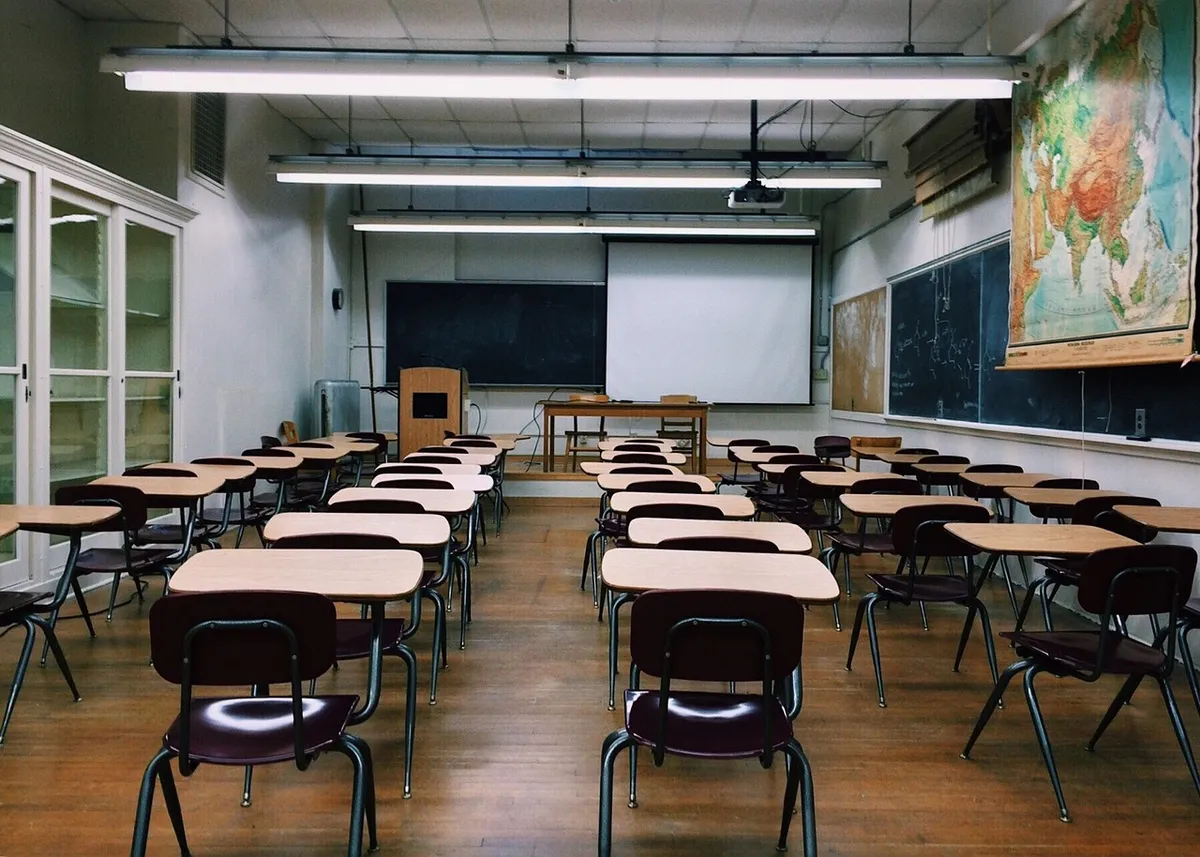
In the dim light of a traditional classroom, a young student traces ink onto paper to see how history does shape their hand.
A student sits at a wooden desk in a quiet room, tracing characters on a piece of paper. In the 1860s, the landscape of learning was already shifting as children began to seek instruction beyond their own households.
By the 1860s, 40–50% of Japanese boys, and 15% of the girls, had some schooling outside the home. This early spread of literacy created a baseline of knowledge that would eventually support more complex instructional methods.
These early efforts to provide formal education laid the groundwork for the structured learning environments seen in later centuries.
However, these foundational methods may be less effective when applied to highly individualized learning paths.
What role does digital access play in Japanese learning methods?
At midnight in a quiet bedroom, a student taps a glowing screen to see how seamless connectivity does fuel their study.
A person taps on a bright tablet screen, scrolling through a digital textbook. Modern Japanese learning methods often rely on the high level of connectivity found within the country.
The availability of digital tools is supported by widespread connectivity. According to World Bank data, Japan recorded a share of internet users of 85.5% in 2024. This high level of access allows for the seamless integration of digital content into daily study.

Such connectivity ensures that educational resources can be distributed and accessed efficiently across the population.
However, the benefits of digital access are limited in environments where hardware availability is inconsistent.
How does high-technology influence Japanese teaching styles?
An engineer examines a complex circuit board while studying a technical manual. The focus on advanced industries often dictates the direction of specialized Japanese teaching styles.
The demand for skilled labor in advanced sectors drives the need for specific technical training.
This economic reality necessitates educational content that remains at the forefront of technological advancement. Educators must align their curricula with these high-tech export trends to maintain national competence.
However, the impact of high-technology is restricted when it replaces rather than complements human instruction.
How does the relationship between labor and education work in edutainment Japan style?
A worker studies a manual during a break, connecting classroom knowledge to factory tasks. Historically, the connection between learning and productive output has been a central theme in various educational models.
In many planned societies, education is regarded as one of the chief resources and techniques for achieving social, economic, cultural, and scientific objectives in the national interest.
This perspective views the expansion of education as a tool to improve the national economy through productive labor. This interplay between skill acquisition and economic output remains a core component of how educational content is designed to meet societal needs.

However, this synergy may not apply to sectors where labor requirements are strictly decoupled from continuous learning.
What are the comparative elements of educational development?
A researcher compares two different historical charts on a screen. Understanding the development of educational systems requires looking at both historical and modern data points.
| Historical Context (1860s) | Modern Context (2024) |
|---|---|
| 40–50% of boys had schooling | 85.5% internet user share |
| 15% of girls had schooling | 17.6% high-tech export share |
I looked at these figures to understand how the baseline of literacy transitioned into a high-tech digital environment. The shift from basic schooling to massive digital connectivity shows a clear progression in how information is consumed.
However, these comparative elements may not hold true when cultural contexts differ significantly.
Can we apply these insights to modern video learning Japan analysis?
A teacher prepares a video lecture on a laptop, ensuring the content is engaging. Applying historical and technological insights to video learning Japan analysis involves understanding the shift from physical classrooms to digital platforms.
- Evaluate the baseline literacy requirements to ensure content is accessible to different age groups. 2. Integrate high-tech tools that reflect current industrial standards and export trends. 3. Use digital connectivity to deliver content to the high percentage of the population that uses the internet.
A final check ensures that the content remains relevant to the economic needs of the nation. This approach ensures that the educational tools used today are as effective as the foundational schooling of the past.
However, these insights might not be applicable to static content that lacks interactive elements.
- How did early schooling shapes the foundation of Japanese education content techniques?
- What role does digital access play in Japanese learning methods?
- How does high-technology influence Japanese teaching styles?
The subject here is Japanese education content techniques.
This part also covers Analyzing Japanese teaching methods.
This part also covers Effectiveness of Japanese edutainment.
This part also covers Vlog education in Japan analysis.
Analyzing Japanese teaching methods
Related
- How to find the best Japanese knowledge youtube?
- Japanese education teaching methods guide high-tech 17.6%
How does the economic drive influence the design of educational content? Education serves as a fundamental pillar for national development, and the economic structure directly guides instructional design. The demand for specialized skills in advanced sectors necessitates educational content that mirrors current industrial capabilities. This alignment ensures that the skills acquired through education support the nation's high-technology export profile.
This relationship implies a continuous feedback loop where economic needs shape curriculum requirements, which in turn influences the workforce's capacity for continued economic growth. The historical pattern of literacy supporting economic expansion continues in this modern context.
The high-technology share of manufactured exports acts as a metric reflecting the specific educational outcomes the system is intended to produce. Therefore, the design of educational content must constantly reflect this economic reality to remain relevant to national goals.




Comments 0