Why do people seek Japanese learning content?
"The fascination with foreign cultures often drives the desire to master their tongues."
Japanese knowledge channels and cultural media serve as a bridge for learners seeking both linguistic proficiency and deep cultural immersion.
This guide explores how interest in popular culture drives language study, how educational programming reaches diverse student bodies, and how partnerships shape learning resources.
You will learn about the motivations behind language acquisition, the demographic reach of educational channels, and the role of institutional partnerships in content development.
Why do people seek Japanese learning content?
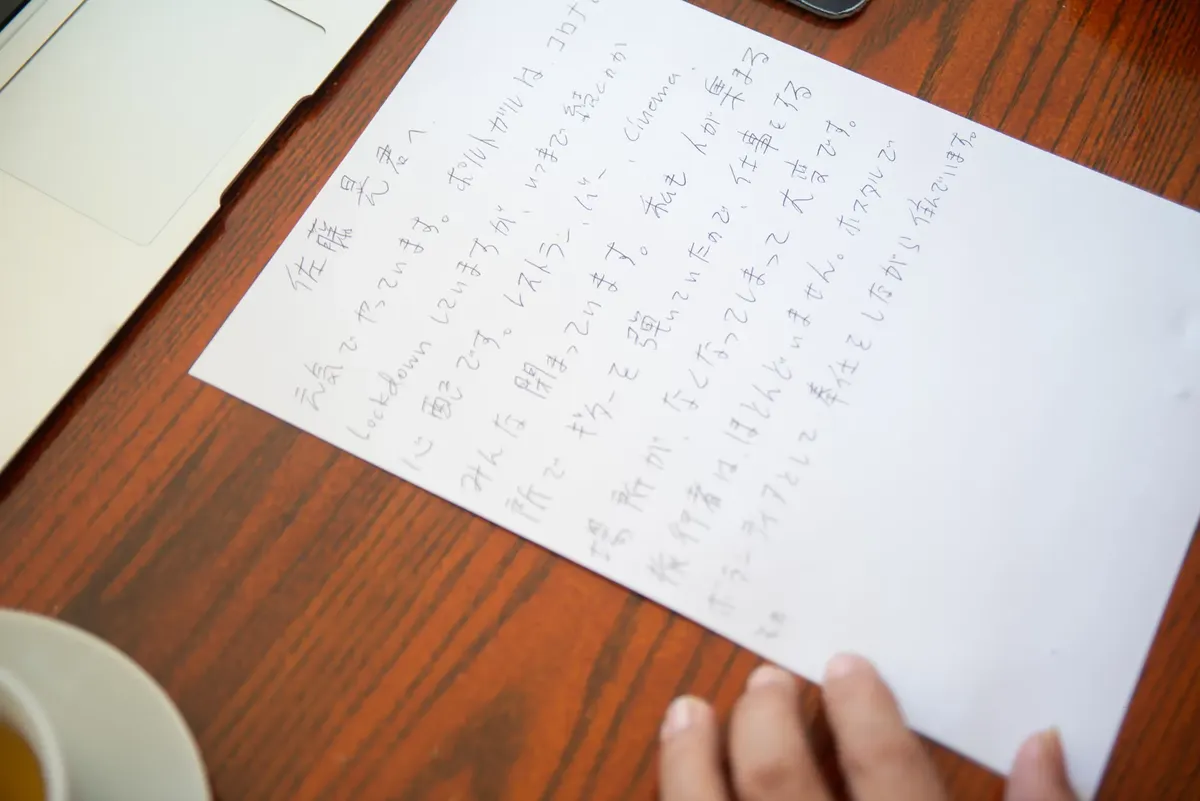
A student sits at a desk, eyes glued to a screen as they scribble new characters into a notebook. This quiet moment of study is often sparked by a much larger curiosity about the world beyond the screen.
According to The Japan Foundation, many people are motivated to learn the Japanese language due to interest in Japanese popular culture.
According to research regarding Japanese language in Australia, many people are motivated to learn the Japanese language due to interest in Japanese popular culture. This cultural fascination provides a natural entry point for many students.
Japanese learning content acts as a gateway, turning entertainment into a functional tool for communication.
The desire to understand stories without subtitles creates a unique momentum for learners. This curiosity often leads to more formal study through structured media.
How does educational programming reach students? Japanese knowledge channels review
In a bright classroom during the morning, the glow of the screen illuminates the faces of people gathered to watch the broadcast.
A teacher adjusts the projector in a bright classroom while students gather around to watch a scheduled broadcast. The reach of such programming can be vast, touching millions of lives through a single digital window.
More than 1,200 public schools, serving around 2.2 million students across the country, were able to access the channel, with approximately 70% of viewers from elementary public schools and 30% from secondary public schools.

This wide distribution ensures that learners of various ages can engage with content tailored to their developmental stages.
The demographic split shows a heavy emphasis on foundational learning in primary years. This reach makes the content a vital resource for nationwide education.
What kind of programming is available in Edu channels Japan?
In the bright morning sun, a child watches a colorful animation while people gather around the screen.
A child watches a colorful animation about nature while a parent observes from the doorway. The variety of subjects ensures that the medium is not just for language, but for holistic growth.
Programming expanded to early childhood care and development (ECCD), environmental education through K-Likasan, English and literature with Gab to Go, and content acquisitions including PelikuLAB, Theater Hour, NHK Japan, Swiss Embassy, World Vision, and Khan Academy materials.
This breadth allows for a multi-disciplinary approach to learning.
By integrating different subjects, these channels provide a comprehensive educational experience. The mix of local and international content keeps the curriculum engaging.
How does Japanese culture study influence content?
A researcher looks through a digital archive, comparing different cultural presentations from various eras. The way culture is presented shapes how much a learner can truly absorb.
The intersection of culture and education is seen in specialized series.

For instance, the environmental education series Puno ng Buhay was launched to raise awareness on forest conservation and sustainable development, while Agham Aralin was produced in partnership with the Citigroup Foundation, starring Kathryn Bernardo and Makisig Morales.
These initiatives demonstrate how media can address global issues while remaining locally relevant. Such content makes the study of culture feel practical and urgent.
How can one use Japanese media for better results?
A student pauses a video to look up a specific phrase in a dictionary. This active engagement is the key to turning passive viewing into active learning.
To maximize the benefits of these channels, follow these steps:
- Select content that aligns with your current proficiency level to avoid frustration. 2. Use the variety of programming, such as literature or environmental series, to expand your vocabulary beyond basic greetings. ly. 3. Engage with the diverse subjects offered through partnerships to see how language is applied in different professional or scientific contexts.
I found that switching between different types of programming helped prevent burnout during long study sessions. A final check involves verifying if the vocabulary learned in one segment is applicable to another.
What are the limitations of these resources?
A student closes a book, realizing that while the video was helpful, they still need more practice. Even the best resources have boundaries in a complete learning journey.
A limitation is that content accessibility and specific subject matter depend on the availability of various partnerships and technical infrastructure.

While the reach is significant, the depth of specialized training may vary depending on the specific partnership, such as those involving the Rotary Club, the Agricultural Training Institute, and Sumitomo Mitsui Banking Corporation, which provide teacher training and educational video production.
The scope of learning is ultimately tied to the availability of these institutional supports.
- Why do people seek Japanese learning content?
- How does educational programming reach students?
- What kind of programming is available in Edu channels Japan?
The subject here is Japanese knowledge channels review.
The same subject is also called Knowledge media Japan.
This part also covers Best Japanese learning shows.
This part also covers Japanese brand content tips.
Related





Comments 0