J-music cover video trends: Guide to visual storytelling
"The visual landscape of digital music has shifted from mere performance to immersive storytelling."
Digital creators often struggle to balance high-quality production with limited resources when developing new visual styles. This guide explores the evolving nature of music cover video styles, providing insights into how visual elements shape audience engagement.
You will learn about the intersection of distribution and aesthetics, the impact of visual storytelling, and the practicalities of modern production.
How do music cover video styles evolve?
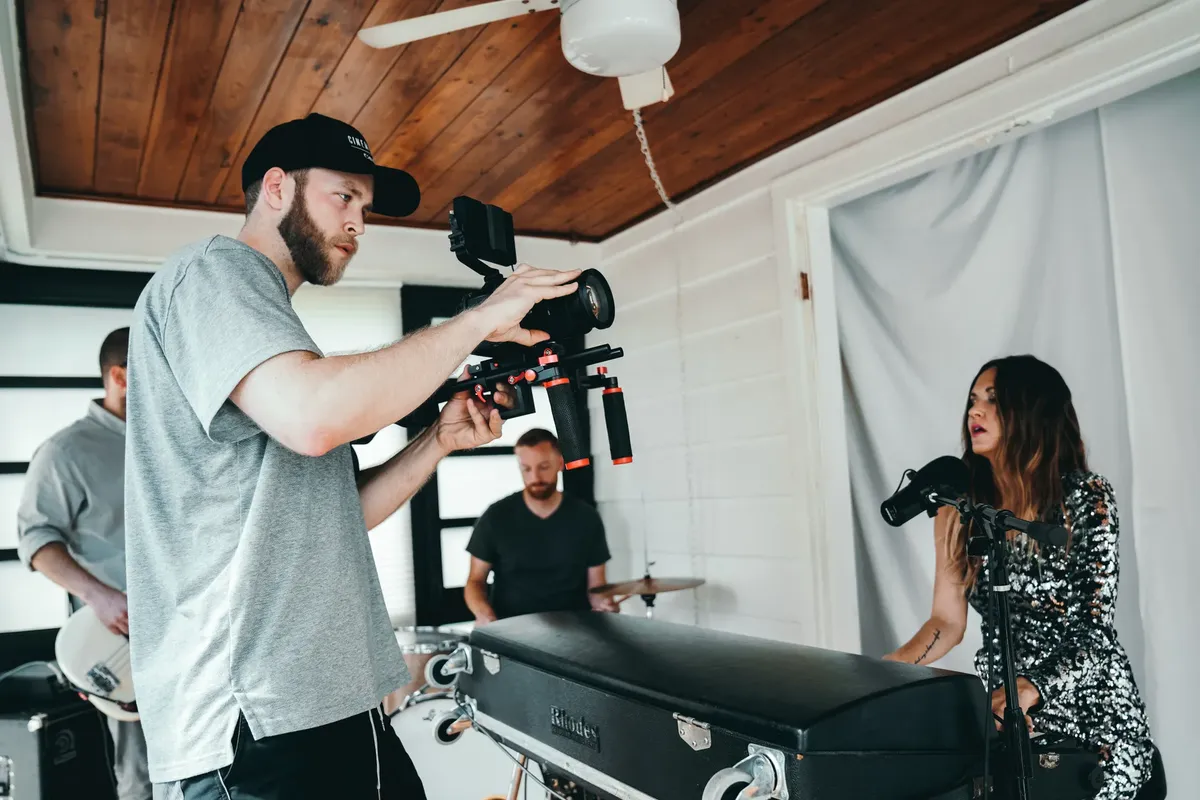
At midnight in the dim studio, I squint at the screen while adjusting the lighting to match the somber mood of the music.
A creator sits before a bright monitor, adjusting the color grading of a recent shoot to match a melancholic melody. They realize that the visual mood must align perfectly with the vocal delivery to capture the viewer's attention.
The evolution of music cover video styles frequently arises from the wish to establish a specific atmosphere that complements the music. While some artists focus on minimalist setups, others lean into cinematic narratives to differentiate themselves.
This shift often moves from simple performance captures to highly stylized visual packages.
According to a 2013 report released by the European Commission Joint Research Centre, illegal music downloads have almost no effect on the number of legal music downloads. This suggests that the drive for high-quality, visually engaging content remains a primary motivator for legal consumption.
People often seek a complete sensory experience that goes beyond just the audio file.
The transition toward more complex visuals can be seen in how artists use lighting and location to tell a story. This trend ensures that the video is not just a backdrop but a vital part of the musical expression.
- Analyze historical aesthetic shifts.
- Identify recurring visual motifs.
- Adapt legacy techniques to modern equipment.
What defines Japanese music video trends? J-music cover video trends
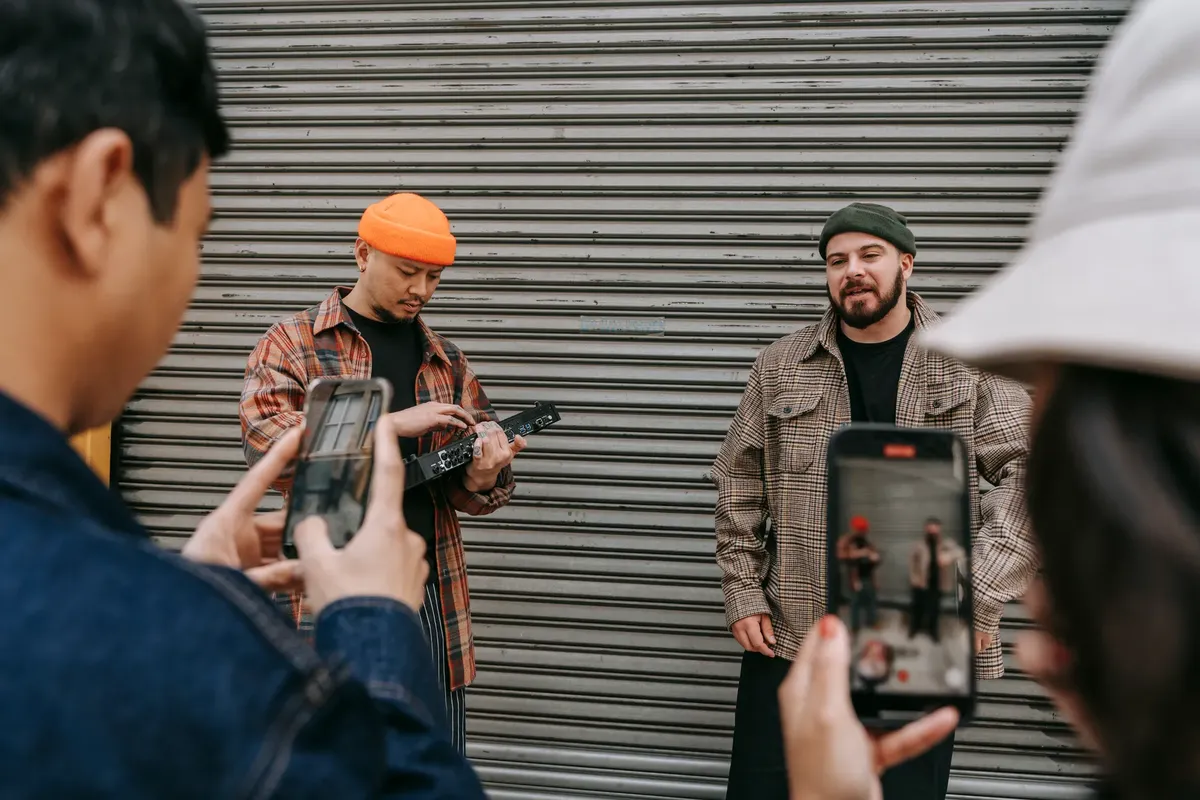
Beneath the neon glow of the city at dusk, I watch the vibrant colors dance across the screen while the electronic music pulses against my skin.
A director carefully places a single spotlight on a singer, casting long shadows against a minimalist wall. The stillness of the room emphasizes the emotional weight of the song being covered.
Japanese music video trends frequently emphasize a blend of high-concept aesthetics and emotional intimacy. These trends often lean into specific color palettes or thematic elements that evoke a sense of nostalgia or futurism. This unique approach helps creators build a recognizable brand identity.
For instance, the influence of animation in visual storytelling is significant. As of 2016, Japanese animation accounted for 60% of the world's animated television shows. This massive global presence has influenced the visual language used in various music video formats.
By integrating these artistic nuances, creators can tap into a global audience that appreciates detailed visual storytelling. The intersection of different media often drives these creative shifts.
In this sequence, the second step is the most extensive.
What are the current cover channel filming trends?
A cameraman adjusts the tripod, ensuring the frame captures both the performer and the subtle movement of the background. The goal is to create a sense of space and depth within a small studio.

Current cover channel filming trends often involve a mix of high-end cinematography and lo-fi, "authentic" aesthetics. This duality allows creators to choose between polished professional looks or intimate, relatable settings.
Many choose to experiment with handheld shots to create a sense of immediacy.
These trends are often driven by the technical accessibility of modern cameras and editing software. This accessibility allows for much more experimentation than in previous decades.
The ability to shoot in various environments means that creators can produce high-quality content without a massive studio. This flexibility is a hallmark of modern digital production.
How to master new music brand video looks?
A stylist lays out different outfits on a bed, considering how the textures will catch the light during the shoot. They are building a visual identity that matches the artist's persona.
Developing new music brand video looks requires a cohesive vision that connects the artist to the audience. It involves selecting consistent color grades, wardrobe styles, and filming techniques. This consistency helps in building a recognizable brand.
To achieve a professional look, follow these steps:
- Define a core color palette that reflects the musical genre. 2. Select locations that support the intended narrative or mood. 3. Establish a consistent lighting setup to maintain visual continuity across different videos.
After completing these steps, perform a final check to ensure the visual elements do not distract from the vocal performance. A strong brand identity is built through these repetitive, intentional choices.

I once spent an entire afternoon adjusting a single light source just to ensure the shadow fell correctly across a singer's face. This level of detail is what transforms a simple cover into a branded piece of content.
A limitation of these highly stylized looks is that they can become difficult to maintain if the production budget or equipment changes significantly.
The subject here is J-music cover video trends.
This part also covers How to film cover videos.
This part also covers Music video community tips.
This part also covers New music video aesthetics.
How to film cover videos
Related
- Music content educational value guide for diverse repertoire
- Daily life vlog trends: Best digital skills for creators
How does the visual landscape influence audience perception? 1. The visual landscape of digital music shifts from mere performance to immersive storytelling, meaning the viewer experiences more than just the audio. 2. Visual elements shape audience engagement by providing context to the music being presented. 3. People often seek a complete sensory experience that goes beyond just the audio file when consuming content.
This focus on sensory depth means that the aesthetic choices made by creators directly impact how the audience interprets the musical expression. The visual narrative becomes integral to the overall reception of the song.
The intersection of distribution and aesthetics dictates how widely and how deeply a visual style resonates with the intended demographic. A strong visual presence helps a creator build a recognizable brand identity within the crowded digital landscape.


Comments 0