Best Japanese Mukbang Channels: 10 minute videos
"The screen glows in a dark room as a steaming bowl of ramen is placed on a wooden table, the steam rising in rhythmic waves."
To find the best Japanese mukbang channels, look for creators who balance high-quality food presentation with authentic cultural exploration.
This guide focuses on five representative video styles that define the genre, ranging from quick culinary demonstrations to deep dives into local food history.
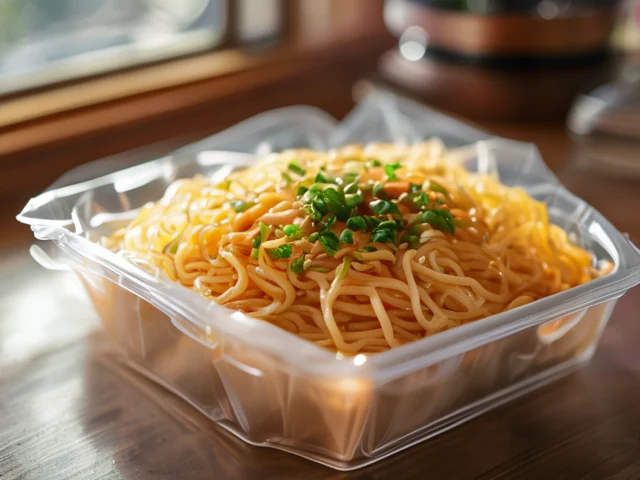
Look for creators who visit specific landmarks or interview experts to ensure authenticity, but keep in mind that content length and depth can vary significantly between creators. 1. Quick culinary demonstrations with high visual appeal. 2. Deep-dive explorations of regional food specialties. 3. Expert interviews at local food landmarks. * Short-form episodes for rapid consumption. * Cultural storytelling through traditional bento and ramen.
How to find the best Japanese mukbang channels?
At midnight, I lean forward on the velvet sofa to hear the crisp crunch of Japanese tempura through my headphones.
A viewer sits on a soft sofa, scrolling through a tablet while the sound of crunching tempura fills the quiet living room. To find top Japanese food YouTubers, you must look for specific niches such as ASMR, cooking tutorials, or gourmet travelogues.
These creators often focus on the sensory experience of eating or the precise art of Japanese preparation.
Many viewers seek out Japanese cooking channels to learn specific techniques used in home kitchens. These channels provide a window into daily life and culinary traditions that are difficult to access otherwise.
Finding the right creator depends on whether you prefer watching someone eat large quantities or watching a chef prepare a single, perfect dish.
What makes a Japanese cooking documentary unique?
In the dim kitchen, my eyes trace the chef's steady hand as he slices Japanese tuna on a cold marble slab.
A camera pans slowly over a marble countertop where a chef meticulously slices fresh tuna with a sharp knife. A Japanese cooking documentary often moves beyond simple eating to explain the "why" behind certain ingredients or methods.
This style of content provides a more educational experience compared to standard eating broadcasts.
For those interested in a Japanese gourmet exploration, the content often includes visits to specialized locations. For example, Francis visits locations affiliated with the topic—such as a bento box store Bento&co in Kyoto or the Shin-Yokohama Ramen Museum—and interviews food experts.
This approach adds a layer of professional insight to the visual feast.
According to World Bank, the 2024 record includes 85.5%.
How long are these videos usually?
A timer on a kitchen wall ticks steadily as a creator prepares a meal for a quick upload. When watching these videos, you will notice that the pacing varies depending on the creator's goal. Some aim for long-form storytelling, while others focus on rapid-fire visual satisfaction.
According to Wikipedia, episodes of Cooking with Dog generally range between five and 10 minutes in length. This makes them ideal for viewers who want a quick culinary break. This brevity allows for high-density visual information without the need for long introductions or filler segments.
Can I follow a specific food tour guide?
A traveler walks through a crowded market in Osaka, the scent of grilled octopus lingering in the humid air. Following a Japanese food vlog often feels like a guided tour of the country's most delicious corners.
These creators act as digital guides, leading you through narrow alleys and famous food halls.
If you want to replicate these experiences, you can follow these steps:
- Identify a specific region or food type mentioned in a video. 2. Note the names of specific shops or museums visited by the creator. 3. Research the local etiquette for eating at those specific establishments.
I once tried to find a specific bento shop mentioned in a video, and following the creator's visual cues helped me navigate the narrow streets. After completing these steps, always check if the shop requires a reservation.
How do these channels compare?
A split screen shows a massive feast on one side and a delicate tea ceremony on the other. The diversity of the Japanese food scene is reflected in the wide variety of content available on YouTube. Some creators prioritize volume, while others prioritize the aesthetic perfection of the meal.
| Content Style | Typical Focus |
|---|---|
| Rapid Mukbang | High volume and sound |
| Culinary Documentary | Technique and history |
I prefer watching the documentary style because it provides more context about the ingredients used. This comparison shows that your choice depends entirely on whether you want to be entertained by eating or educated by cooking.
What are the limitations of watching food content?
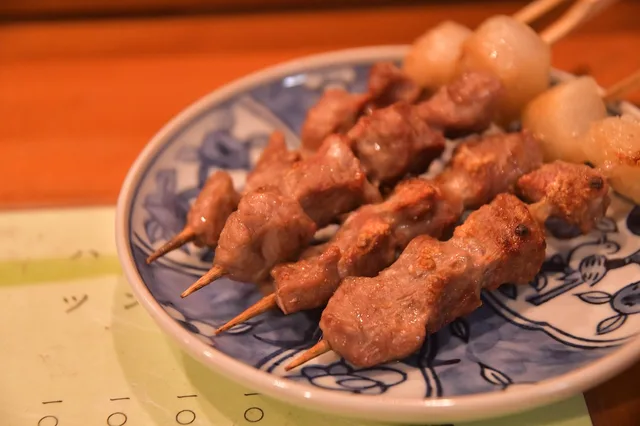
A person finishes a video and looks at their empty plate, feeling a sense of hunger that the screen cannot satisfy. While these channels are highly engaging, they are digital representations and may not reflect the true scale or cost of a meal.
According to World Bank data, Japan recorded share of internet users of 85.5% in 2024.
One limitation is that the visual presentation is often highly curated for the camera.
The content is limited to what can be captured through a lens and does not always represent the full reality of dining in Japan.
The subject here is Best Japanese Mukbang Channels.
The same subject is also called Best Japanese Food Tours.
The same subject is also called Japanese Food Vlogs.
This part also covers Japanese Cooking Lifestyle.
Related
Is there a difference between eating and cooking content?
Eating content focuses on the sensory experience of consuming food, whereas cooking content emphasizes the precise art of preparation. You can compare these styles by observing whether the creator prioritizes high volume or the aesthetic perfection of a single dish.
While mukbangs often center on sound and quantity, cooking documentaries provide a window into culinary traditions and the history of specific ingredients.
When the screen glows with a chef's technique, you are watching an educational experience rather than a simple eating broadcast. This distinction is important because the pacing and depth of information vary significantly between these two styles.
You should choose based on whether you want to be entertained by the act of eating or educated by the process of cooking.
What should I watch out for when following creators?
You must exercise caution regarding the curated nature of the visual presentation. Because these videos are digital representations, the scale and cost of the meals may not reflect the true reality of dining in Japan.
Always remember that the content is limited to what a camera lens can capture, which might differ from the actual experience of visiting a local landmark or a specialized shop.
FAQ
How long are the cooking episodes?
Where do creators go for food expertise?
Popular posts
3 Phases of Evolution: Hikakin's Guide to Musical Mastery
Advanced tech in review channels: How creators use new tech
Aima's music: Why her hits achieve 37 total weeks longevity

Comments 0