Japanese recipe test channels guide to food experiment
"The kitchen is a laboratory where ingredients meet heat, and the results are the ultimate truth of a recipe."
Japanese recipe test channels have become a cornerstone of digital culinary culture by focusing on the rigorous verification of cooking methods.
This guide explores how these creators use scientific precision to refine traditional flavors, offering viewers a look at the trial-and-error behind successful meals.
You will learn about the characteristics of food experiment channels, how recipe development shows function in a digital space, and what makes culinary test content so engaging for a global audience.
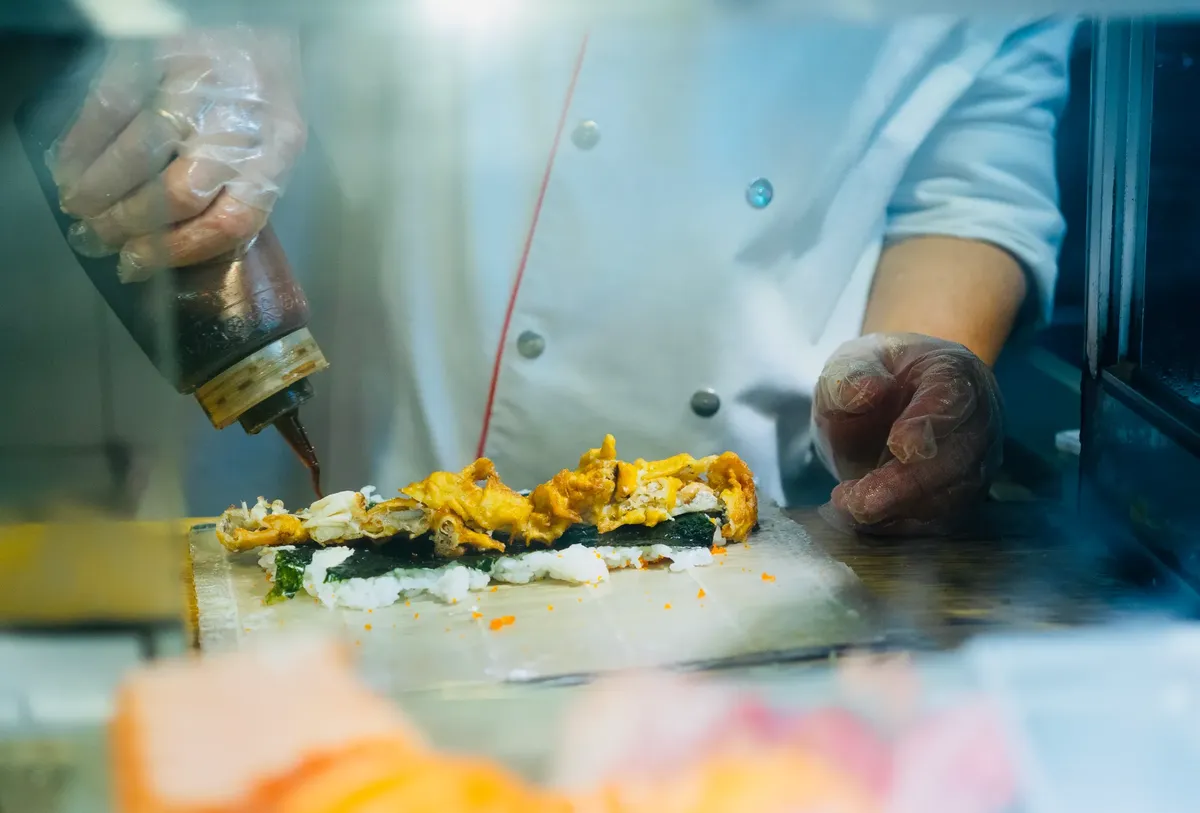
One limitation is that these high-intensity testing environments often focus on specific ingredient variables rather than universal cooking laws.
How do Japanese recipe test channels define quality?
Late at night in the dim kitchen, a chef carefully stirs a thick sauce to ensure the consistency meets the strict standards of a japanese recipe test channel.
A chef stands over a bubbling pot, checking the viscosity of a sauce against a standardized scale. This meticulous approach is a hallmark of Japanese recipe test channels, where the goal is to find the exact ratio of ingredients for consistent results.
These creators do not just cook; they dissect the chemistry of food to ensure that a single instruction leads to a repeatable success.
The process often involves testing the same dish under dozens of different temperature settings or ingredient substitutions. By documenting these failures, creators provide a roadmap for home cooks to avoid common pitfalls.
This type of rigorous testing transforms a simple kitchen task into a structured experiment that builds trust with the audience.
What makes food experiment channels so engaging?
At midnight in the quiet kitchen, the viewer watches a chef tap a crispy coating to hear the crunch, captivated by the tension of a japanese food experiment.
A camera zooms in on a perfectly golden crust as a timer counts down the final seconds of a bake. For many viewers, the appeal of food experiment channels lies in the tension between a hypothesis and the final edible result.
Watching a creator struggle with a difficult technique makes the eventual success feel earned and instructive.
These channels often tackle complex problems, such as the perfect way to achieve a specific texture in fried foods or the ideal fermentation time. This investigative style turns cooking into a narrative journey where the viewer learns alongside the creator.
It turns the act of eating into a celebration of successful scientific inquiry.
How do recipe development shows inspire home cooks?
Standing in a sunlit kitchen, the cook mimics the precise hand movements seen in a japanese recipe development show to master the perfect fold.
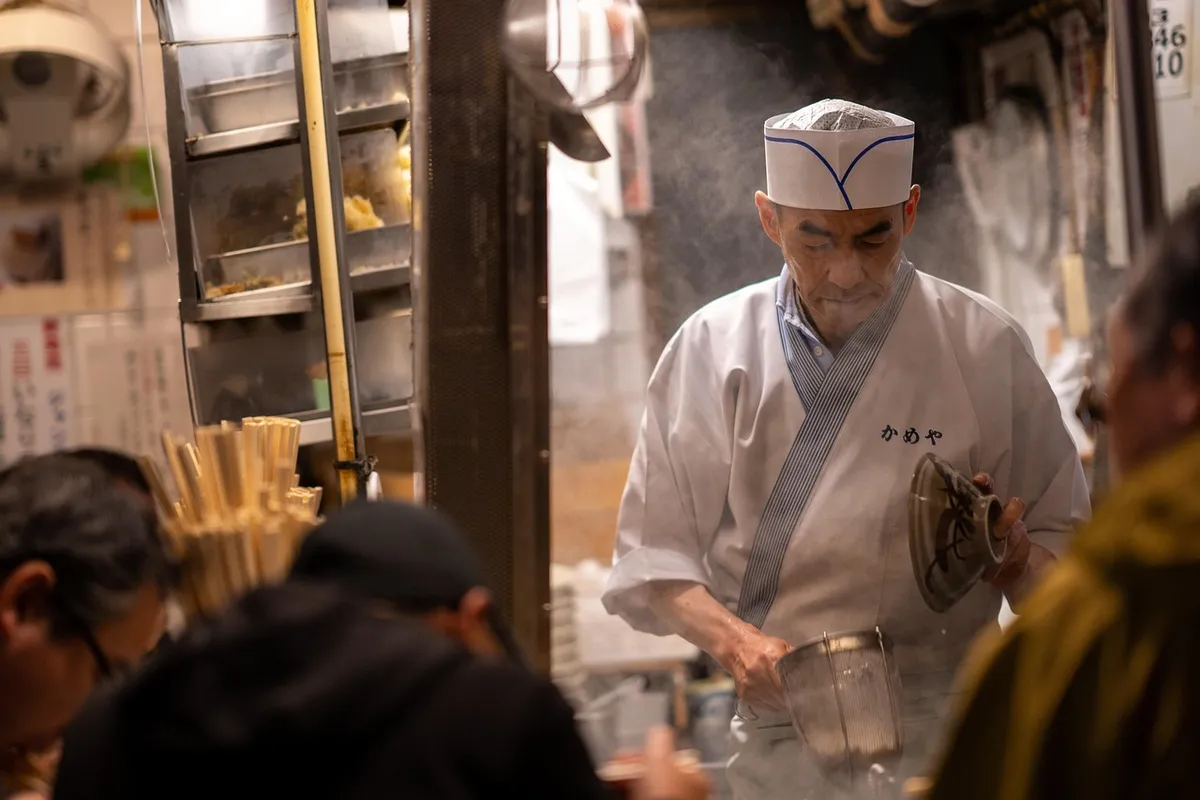
A hand carefully adjusts a single gram of salt in a bowl of flour, ensuring perfect balance. The structured nature of recipe development shows provides a sense of order in the often chaotic world of home cooking.
These creators act as bridge-builders between professional culinary standards and the practicalities of a domestic kitchen.
By showing the "why" behind a technique, they empower viewers to troubleshoot their own cooking. Instead of just following a list of ingredients, viewers learn to understand the underlying principles of heat transfer and moisture control.
This educational depth ensures that the knowledge sticks long after the meal is finished.
What defines the best culinary test content?
A bright kitchen light reflects off a stainless steel whisk as a creator compares two different brands of flour. The best culinary test content is characterized by transparency and the willingness to show imperfect results.
It is not about presenting a flawless lifestyle, but about the honest pursuit of the best possible flavor profile.
Successful creators often use controlled variables to isolate specific effects, such as the impact of different oils on deep-frying. This level of detail distinguishes professional-level content from casual cooking vlogs.
The focus remains on the objective outcome of the test rather than the personality of the host.
How can viewers apply these testing methods at home?
A person sits at a kitchen table with a notebook, recording the results of a small-scale baking test. You can adopt these professional habits by following a structured approach to your own culinary experiments.
- Isolate one single variable, such as the amount of leavening agent or the oven temperature, to see how it affects the final product. 2. Document your findings in a written log to track how different changes impact the taste, texture, and appearance. 3. Perform a final check by tasting the result against your original goal to determine if the change was successful.
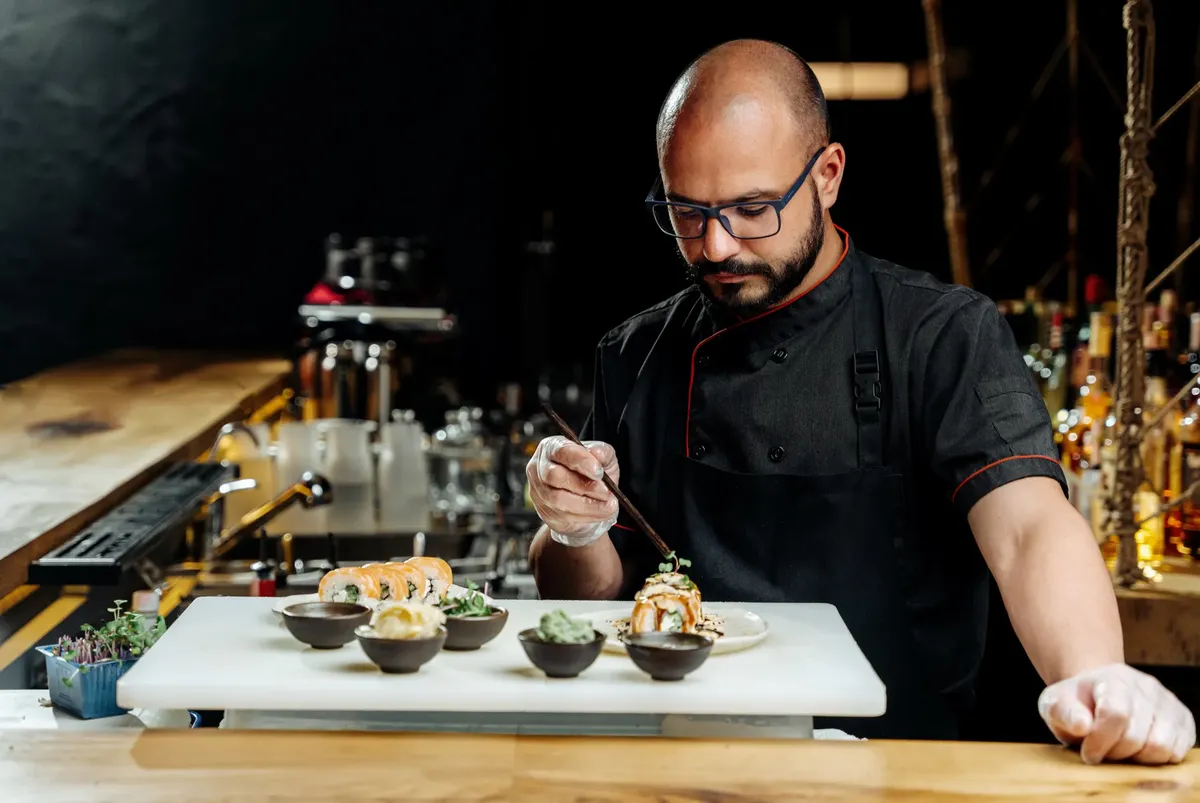
I once tried adjusting the hydration levels in a bread recipe using these exact steps to see how it changed the crumb structure. This methodical approach ensures that you are learning from every batch you bake.
Are there limitations to these testing methods?
A heavy cookbook sits closed on a counter next to a pile of discarded test ingredients. While these methods are effective, testing can be limited by the specific conditions of a single kitchen or the specific quality of local ingredients.
A single test result may not account for all environmental variables, such as altitude or varying humidity levels in different regions.
The same subject is also called Cooking recipe testing.
This part also covers Best recipe testing creators.
This part also covers Innovative food content ideas.
Related
- Hikakin public communication: Guide to creator patience 365
- Hikakin music impact study: Tips for creator economy success
How does the kitchen function as a laboratory in these tests? 1. The kitchen serves as the primary laboratory where ingredients meet heat, initiating the chemical reactions central to the recipe's outcome. 2. Creators treat the cooking process as an experiment, systematically manipulating variables within this domestic laboratory environment. 3. This setup allows for the precise observation of how different inputs affect the final state of the food, turning the kitchen into a controlled testing space.
When is the scientific precision most evident? Scientific precision becomes most evident when creators compare outcomes from different ingredient substitutions. For instance, when testing various oils, the resulting texture in the deep-fried food clearly demonstrates the effect of that specific variable. The meticulous documentation of these comparisons highlights the function of the kitchen as a scientific laboratory.
The process of refinement demands that creators move beyond mere cooking; they must dissect the chemistry occurring in the kitchen.
This dissection ensures that the resulting flavor profile is not accidental but is the direct, repeatable result of controlled experimentation within the culinary laboratory.
Wikipedia: Iron Chef Based on the retained excerpt mentioning American Culinary Academy: Around Christmas 2001, the UPN network presented two one-hour episodes of Iron Chef USA hosted by William Shatner as "The Chairman of the American Culinary Academy".



Comments 0