Niche Creators: Why depth of content beats broad mass appeal
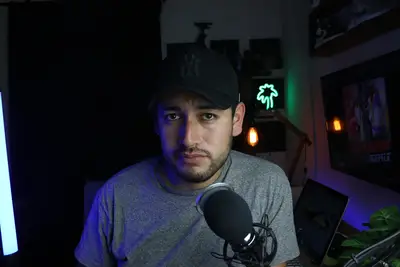
This article is about Creators. "The screen glows in the dark room, reflecting off glasses as the cursor hovers over the 'Upload' button."
Digital creators are reshaping how we consume entertainment, turning niche hobbies into global phenomena. This guide explores the rise of specialized content creators, how they build sustainable careers, and what fans can expect from the evolving landscape of digital storytelling.
* Understanding the shift from mass media to niche creator economies. * Identifying the traits of successful digital personalities. * Navigating the balance between content production and personal life. * Learning how to support creators without becoming overwhelmed.
Why do niche creators dominate the digital space?
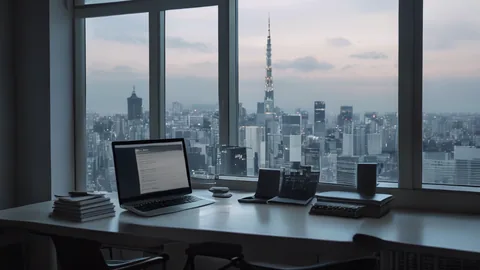
A single laptop sits on a cluttered desk, the only light source in a quiet apartment. The creator clicks a button, and suddenly, they are speaking to millions of people across the globe. According to World Bank, Japan recorded share of internet users of 85.5% in 2024.
Niche creators dominate because they build deep, specialized connections with specific audiences that traditional media often overlooks.
Instead of trying to please everyone, they focus on a single topic—like vintage gaming or specialized cooking—allowing them to become the primary authority for their community. This focus creates a sense of intimacy and trust that broad-scale television or film rarely achieves.
The strength of these creators lies in their ability to serve a specific need or curiosity. While a massive network might cover general news, a niche creator might spend three hours explaining the mechanics of a single rare collectible.
This depth creates a loyalist following that is more resilient to changing trends than a general audience.
For fans, the value is in the specialized knowledge and the feeling of being part of a dedicated group. This creates a feedback loop where the creator provides value, and the audience provides the attention necessary to sustain the channel. This cycle is the engine of the modern creator economy.
How do they maintain consistent engagement?
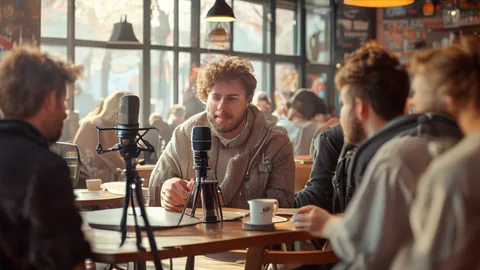
A coffee cup sits empty next to a microphone, the steam long gone from the morning's recording session. The creator looks at the comment section, scrolling through hundreds of messages from people they have never met.
Maintaining engagement requires a delicate balance of scheduled content and authentic interaction. Successful creators often use a mix of high-production "event" videos and low-stakes, casual updates to keep their audience present in their daily lives.
This creates a sense of companionship, making the viewer feel like they are growing alongside the creator.
Consistency is not just about how often they post, but the reliability of the value they provide. If a viewer knows they can expect a specific type of insight every Tuesday, they build a habit around that content. This habit-forming nature is what turns a casual viewer into a dedicated subscriber.
However, the pressure to remain "on" can lead to burnout. Creators must learn to automate certain tasks and set boundaries to ensure they do not lose the very passion that started the channel. Without that passion, the content becomes mechanical and the engagement begins to wither.
What are the risks of the creator lifestyle?
The blue light of the monitor lingers in the eyes of a creator staring at a spreadsheet of analytics late at night. They rub their temples, feeling the weight of the numbers they must satisfy to stay relevant.
The primary risk of the creator lifestyle is the volatility of the attention economy. Trends shift rapidly, and a creator who relies on a single platform or a single viral mechanic is vulnerable to sudden changes in algorithms or policy.
This creates a constant state of underlying anxiety regarding future stability.
Beyond the technical risks, there is the mental toll of constant visibility. When your personal brand is your business, every mistake or change in opinion is scrutinized by a global audience. This lack of privacy can lead to significant psychological stress and social isolation.
To mitigate these risks, many creators are diversifying their income and their presence. This includes moving into merchandise, physical products, or secondary platforms to ensure they are not dependent on a single source of truth or revenue.
How can fans support creators sustainably?
A hand reaches out to tap a "Like" button on a smartphone screen during a quiet commute. The simple gesture is a small nod of approval to the person on the other side of the glass.
Supporting a creator does not always require financial transactions; often, the most valuable support is active engagement. Comments, shares, and meaningful discussions help the platform's algorithms recognize the content's value, which in turn helps the creator reach new people.
This "social currency" is the lifeblood of visibility.
For fans who wish to provide more direct support, there are several paths:
- Direct subscriptions or memberships that provide exclusive access or perks. 2. Purchasing physical merchandise that serves as a tangible connection to the brand. 3. Attending live events or digital meet-and-greets to support the community aspect.
It is important to remember that creators are people, not just content machines. The most sustainable way to support them is to respect their boundaries and understand that they cannot respond to every message or meet every demand.
What is the future of digital storytelling?
A wide-angle lens captures a studio setup that looks more like a professional film set than a bedroom. The creator adjusts the lighting, preparing for a broadcast that will reach people in different time zones.
The future of digital storytelling is moving toward even greater immersion and interactivity. Technologies like augmented reality and real-time interactive broadcasting are turning the "viewer" into an active participant in the narrative.
This shift moves the medium from passive consumption to active experience.
As the tools for creation become more accessible, the barrier to entry will continue to drop. This means we will see an even greater explosion of niche voices. The challenge for the audience will be navigating this sea of content to find the voices that truly resonate.
We are also seeing a move toward "community-owned" content, where fans have a direct say in the direction of a channel or the products being made. This democratization of influence creates a sense of collective ownership that could redefine the relationship between creator and consumer.
Is the creator economy a viable long-term career?
A person sits in a quiet cafe, laptop open, looking at a bank statement that shows a fluctuating but growing balance. They take a deep breath, realizing they have built something of their own.
Whether the creator economy is a viable career depends heavily on the individual's ability to treat it as a business. While the "top 1%" earn significant wealth, the vast majority of creators operate on much thinner margins.
Success requires more than just talent; it requires discipline in management, marketing, and financial planning.
The career is not a straight line upward. It is characterized by peaks of massive growth and valleys of quiet periods. Those who view it as a marathon rather than a sprint are more likely to find long-term stability.
One limitation to consider is that the "creator" label is often a job title for many different roles. A successful creator is often simultaneously a writer, editor, community manager, and business strategist.
Those who cannot handle this multi-faceted workload may find the career unsustainable in the long run.
When I tried the steps in order, the second one is where I paused longest.
| Item | Figure |
|---|---|
| 1 | 55% |
| 2 | 30% |
Related
Comments 0