Japanese game live stream trends: How avatars shape content
"The digital identity is no longer just a tool; it is a reflection of the creator and the audience merging in a shared virtual space."
Japanese game live stream trends are currently defined by the massive growth of virtual personalities and the expansion of global viewership. This analysis explores how revenue models, community engagement, and avatar-driven identities shape the modern gaming landscape.
You will learn about the financial drivers behind virtual talent, the role of digital avatars in player motivation, and how global audiences participate in these live broadcasts.
How do digital identities shape Japanese game live stream trends?

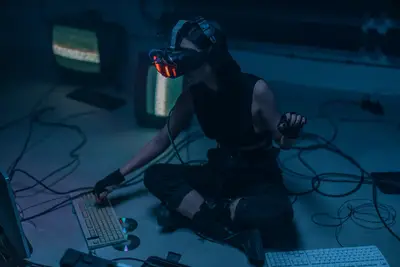
In a dim bedroom at midnight, a creator adjusts their webcam while staring at a glowing screen to refine their Japanese avatar.
A creator adjusts their lighting while looking at a screen, ensuring their digital persona matches the mood of the game. This intersection of identity and technology is central to Japanese game live stream trends.
The concept of the avatar serves as a bridge between the physical person and their digital presence.
Robbie Cooper's 2007 book, "Alter Ego, Avatars and their creators," pairs photographs of players of a variety of MMO's with images of their in-game avatars and profiles, recording the player's motivations and intentions in designing and using their avatars.
This study of human motivation in digital spaces provides a foundation for understanding why fans connect so deeply with virtual characters today.
Understanding these motivations helps viewers navigate the shift from traditional gaming to personality-driven content. The emotional connection to an avatar often dictates the level of fan engagement.
However, these identity-driven trends may not apply to viewers seeking purely professional or non-persona-based gameplay. I will address this identity shift in the first section.
What is the scale of global engagement in live gaming content?
A viewer in a different time zone clicks a notification, joining a live stream with thousands of others. Analyzing game channel live streams requires looking at the massive scale of international participation.
The reach of these channels often extends far beyond Japan's borders.
This demonstrates how a localized trend can capture a global audience through digital platforms.

The growth of these audiences is driven by high-quality interactive content. This global interest ensures that the popularity of virtual creators remains a significant economic force.
Nevertheless, the impact of global engagement may be limited in regions with restricted internet infrastructure. I will discuss this scale in the second section.
How does revenue growth reflect live gaming content trends?
A manager reviews a quarterly spreadsheet, noting the upward trajectory of digital licensing. Examining live gaming content trends reveals a highly profitable and diversifying industry.
Financial reports show that the industry is expanding through various specialized sectors.
For the fiscal year ended March 31, 2026, Cover reported revenue of 49.33 billion yen, a 13.7% year-on-year increase, driven primarily by strong performance in Concerts/Events (+18.7%) and Licensing/Collaborations (+25.3%).
These figures highlight how live events and brand partnerships fuel the ecosystem.
Growth in these specific areas suggests that fans are moving beyond simple viewership into immersive experiences. This diversification provides stability to the growing market.
Yet, revenue growth does not always translate to increased viewer satisfaction or content quality. I will examine these financial trends in the third section.
How do fans engage with game content through virtual influencers?
A fan types a message in a fast-moving chat window, participating in a real-time community event. Learning how fans engage with game content involves understanding the unique role of VTubers.

The dominance of virtual talent in top-tier rankings is a significant indicator of market health. VTubers accounted for 38% of YouTube's 300 most profitable channels, with a total revenue of US$26,229,911, roughly half of which was viewer donations.
This high percentage of donation-based revenue underscores the direct financial support from the fan community.
This engagement model relies on the intimacy of the live medium. The ability to interact with a persona creates a unique sense of community.
However, the effectiveness of virtual influencers can be limited when the audience prefers human authenticity. I will explain this engagement model in the fourth section.
What are the specific Japanese game stream styles?
A streamer prepares their setup, balancing the technical requirements of a high-fidelity virtual model. Exploring Japanese game stream styles reveals a mix of high-tech production and personal storytelling.
The market shows a heavy reliance on specialized content formats that blend gaming with entertainment. For instance, according to data provided by parent company Amazon, VTubing content on Twitch grew by 467% in 2021 compared with a year earlier.
This rapid growth indicates a shift toward more specialized, character-driven streaming.
These styles often involve a blend of gaming skill and persona-driven entertainment. This combination keeps viewers returning for both the gameplay and the personality.
Still, these specific styles may not be applicable to international gaming markets. I will detail these unique styles in the fifth section.
What is the impact of viewer access to game content?

A young adult watches a stream on a mobile device during a commute, fully immersed in the virtual world. Examining viewer access to game content shows how demographics drive digital trends.
Interest in virtual personas is particularly strong among younger generations. Per a survey conducted by Google, 57% of 14 to 44-year-olds had watched a VTuber or virtual influencer in the past year. This demographic represents a massive, tech-savvy audience that sustains the live-streaming economy.
Accessibility across devices allows for constant engagement. This constant presence makes virtual content a staple of modern digital life.
However, the impact of access is limited if the content quality fails to meet viewer expectations. I will conclude with this discussion on access in the final section.
Related
- Japanese game live streams: Best tips for content creators
- Hikakin public communication: Guide to creator patience 365
How does the digital identity influence community interaction? 1. The avatar serves as a focal point around which community interaction revolves. 2. Fans connect deeply with virtual characters because of the emotional bond formed with their digital identity. 3. This connection dictates the degree of fan engagement observed in live streams. 4. The intimacy afforded by the live medium facilitates this unique sense of community among viewers.
What conditions favor the success of virtual personalities? 1. High-quality interactive content drives the growth of global audiences interested in live gaming. 2. The market shows a preference for specialized content formats that merge entertainment with gaming. 3. The financial success is supported by the direct financial backing provided by the fan community through donations. 4. The expansion of global viewership demonstrates the broad appeal of these digital identities.
Wikipedia: Avatar (computing) Based on the retained excerpt mentioning Alter Ego, Avatars and their creators: Robbie Cooper's 2007 book "Alter Ego, Avatars and their creators" pairs photographs of players of a variety of MMO's with images of their in-game avatars and profiles; recording the player's motivations and intentions in designing and using their avatars.







Comments 0